A mechanic who comes to your driveway in Concord sounds like the perfect answer to a dead car, and for a real slice of repairs it is. For another slice, the car needs a lift, a press, an alignment rack, or a second pair of hands, and no amount of driveway skill changes that. If you have never used either option, here is how each one actually works, step by step.
Neither model is the honest one and the other a trick. They are different toolboxes. Matching the job to the toolbox is what saves you time.
How a mobile visit unfolds
- You describe the symptom by phone. Mobile work leans heavily on your description, since there is no shop intake and no lift waiting. Year, model, noises, warning lights, and when it happens all matter.
- The mechanic arrives with a stocked van. Common parts, a jack and stands, a scanner, and hand and power tools cover the jobs the service advertises. Uncommon parts mean a second trip.
- Diagnosis happens in your driveway. Battery tests, starter checks, brake inspections with a wheel off, and code scans all work fine at home. Deep electrical tracing and internal engine work do not.
- Repairs stay within the driveway envelope. Batteries, starters, alternators, brake pads, belts, hoses, and many sensors are fair game. Anything needing the car fully raised and level is not.
- Road test and cleanup close the visit. You get your keys back without a ride to arrange, which is the real convenience you paid for.
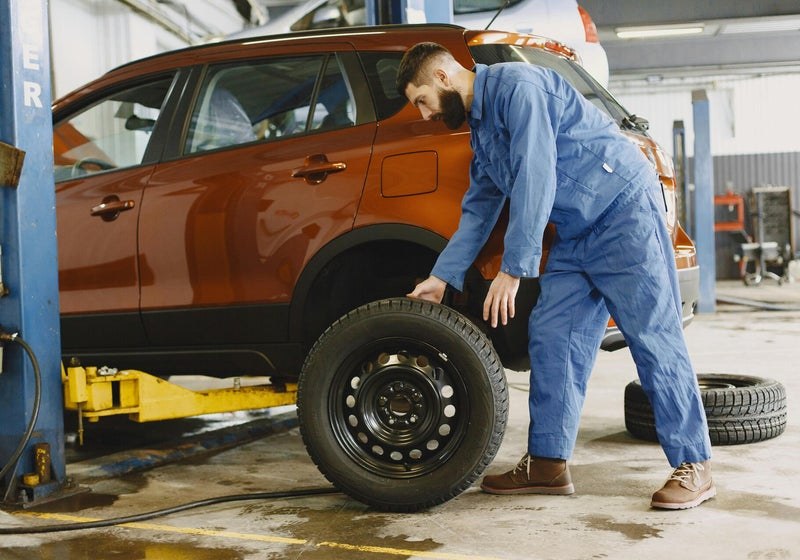
How a shop visit unfolds
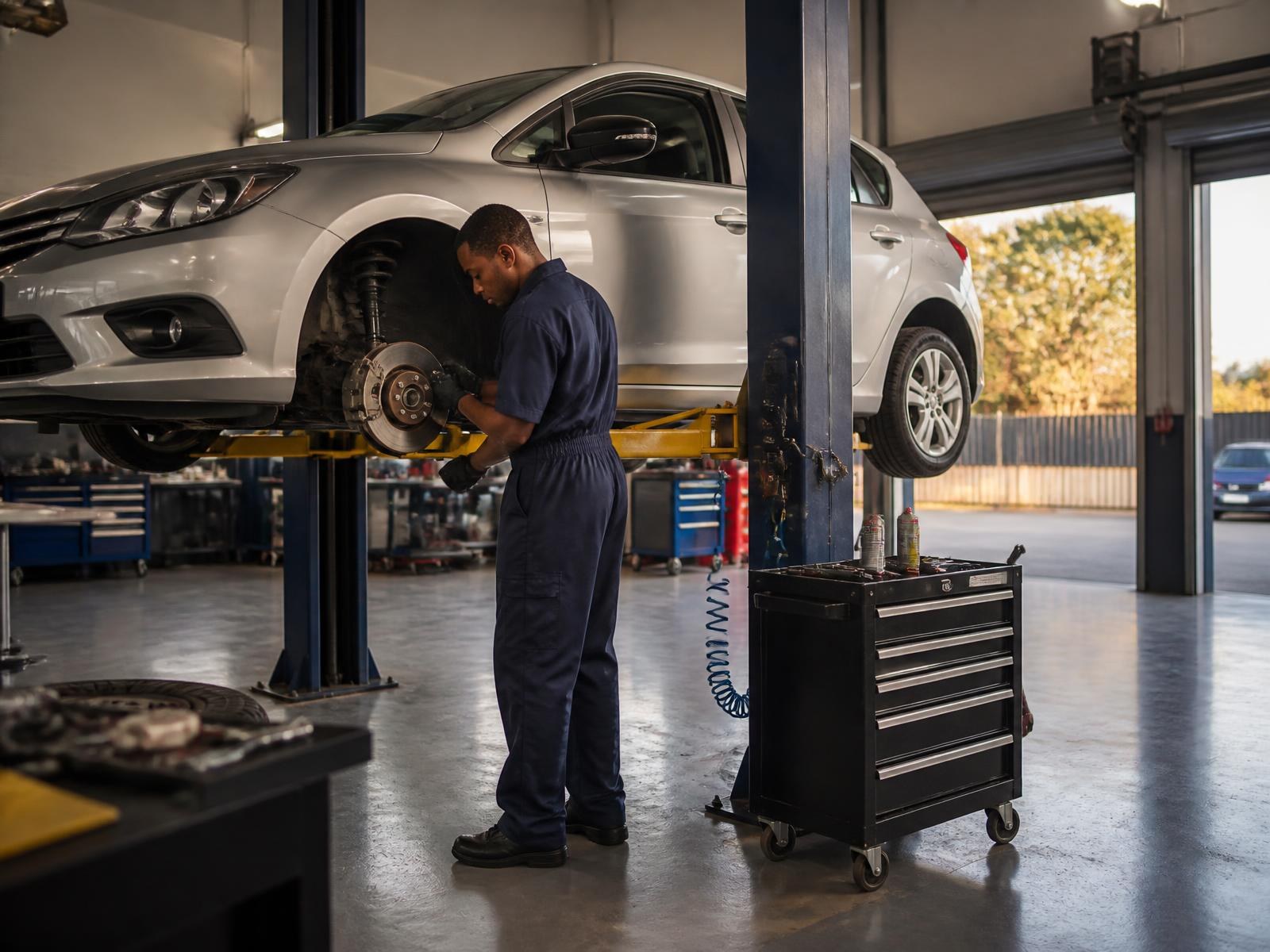
In a shop, the car goes on a lift and stays there as long as the job needs. That one fact unlocks most of the difference. Exhaust work, transmission removal, suspension jobs, alignments, and anything where fluids must drain fully and cleanly assume a lift, a drain system, and a level floor.
A shop also has depth behind the technician in front of you: parts delivery during the day, specialty tools that no van can carry, and colleagues who have seen your exact fault before. At One Family Autocare in Concord, that depth covers tires, brakes, oil service, diagnostics, and inspections under one roof, so a job that grows mid-repair does not have to move across town.
Sorting common jobs honestly
Driveway-friendly work shares three traits: the car does not need to be fully raised, the parts are common, and the diagnosis can be confirmed with portable tools. A no-start traced to a battery or starter, a brake pad swap on most cars, a belt replacement, or a pre-purchase look at a car you cannot move yet all fit.
Shop work starts where those traits end. Tire mounting and balancing need machines. Alignments need a rack and a level surface. Air conditioning work needs recovery and charging equipment that handles refrigerant legally and safely. Transmission and engine internal work need lifting, support fixtures, and fluid handling that a driveway cannot provide. Timing jobs, wheel bearings that need a press, and rusted suspension work in older cars also belong indoors, where a seized bolt is an inconvenience instead of a stranded car in your drive.
Limits worth naming out loud
Weather stops driveway work. So do homeowners association rules in some Concord neighborhoods, steep driveways, and jobs that leave the car disabled overnight if a part turns out wrong. Warranty handling can differ too, so ask how a comeback gets handled when the shop is a van that has moved on to the next town.
None of that makes mobile service a poor choice. It makes it a specific choice. Use it for the jobs it does well, use a shop for the jobs that need a building, and be suspicious of anyone in either model who claims every job belongs to them.
Price alone should not make this call either. Ask both options the same questions: what is included, how are parts sourced if the first one is wrong, and how does a warranty repair get handled next month. The answers sort the choice faster than any advertised special.
Common questions
Is a mobile mechanic cheaper than a shop?
Sometimes, on small jobs, because there is less overhead. On larger jobs the shop is often the better value once equipment, parts access, and one-trip completion count.
Can a mobile mechanic do brakes?
Usually yes for pads and rotors on common models. If the job uncovers seized calipers, rusted lines, or ABS faults, it may still end up needing a shop.
What should I choose for a car that will not start?
Mobile service is a strong first call, since batteries and starters are driveway work. If the fault turns out to be internal or electrical and deep, expect a referral to a shop.
Photos in this guide are representative stock images.
← All guides from One Family Autocare← Back to One Family Autocare