Few services get oversold and misunderstood like a transmission fluid change. Done on schedule, it is plain maintenance that helps an automatic transmission live a long life in Concord. Done as a last-ditch fix on a transmission that is already slipping and burnt, it changes nothing except the color of the fluid. Both statements are true, and telling them apart is the whole point.
An automatic transmission runs on its fluid the way an engine runs on oil, only more so. The fluid does not just lubricate. It carries hydraulic pressure that applies the clutches, it cools the internals, and its friction properties decide how each shift feels. When that fluid ages, every one of those jobs gets harder.
What a fluid service actually does
A standard service drains or exchanges the old fluid and replaces it with fresh fluid of the exact specification your transmission requires. On many models the pan comes off, the filter gets replaced, and the magnet in the pan, which collects fine metal dust, gets cleaned so the next inspection can be read clearly.
Fresh fluid restores the additives that heat and time use up. Shifts that had started to feel slightly late or slightly harsh because the fluid was tired can smooth out. What fresh fluid cannot do is restore worn clutch material, unwarp a valve body, or fix a failed solenoid. Fluid maintains healthy parts. It does not rebuild damaged ones.

The cost of waiting, in mechanical terms
Old fluid runs hotter and protects less. Varnish builds on valves and passages, so shifts get slower and less precise. Clutches slip a fraction more on each shift, and each slip creates heat that ages the fluid further. That loop is why transmission decline often feels sudden at the end. It was gradual for years, then it crossed a line.
Skipping service also skips information. The pan magnet and the old fluid tell a story. A light fuzz of fine metal is normal wear. Chunks, flakes, or a heavy sludge mean internal parts are coming apart, and catching that early gives you options: plan the repair, budget for it, or decide honestly how much longer the car is worth keeping. Catching it late gives you a tow bill on a Concord road and no options at all.
Why it will not fix a dying transmission
If a transmission already slips badly, shudders under load, or has fluid that smells burnt and looks dark brown or black, fresh fluid is not a rescue. In the worst cases, the gritty old fluid was providing some of the friction the worn clutches depended on, and a change can make slipping more obvious. A careful shop will tell you this before taking your money, inspect the fluid and pan first, and explain whether service makes sense or whether you are looking at repair.
That honesty matters at One Family Autocare in Concord, where general maintenance sits alongside engine diagnostics. The right call depends on the fluid condition and the symptoms, in that order, not on a sales target.
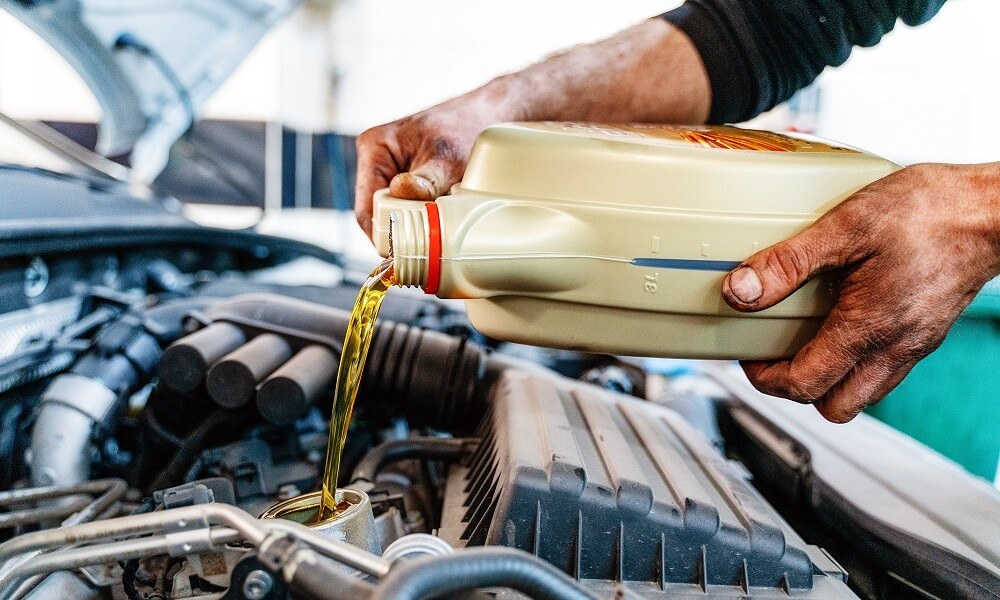
How to stay on the maintenance side of the line
Follow the interval in your owner manual, and use the severe-service schedule if your driving matches it: frequent short trips, heavy traffic, towing, or mountain driving. Check the fluid where your model allows it. Healthy fluid is translucent red and smells slightly sweet. Brown fluid or a burnt smell means the conversation should happen soon, not at the next oil change.
Also fix small leaks promptly. A transmission run even a little low on fluid shifts poorly and overheats, and a seal replaced early is a minor job compared with the damage low fluid causes. Maintenance, kept boring and on schedule, is what keeps a transmission out of the repair column for as long as possible.
Common questions
Should I flush the transmission or just change the fluid?
That depends on the model and its history. A drain-and-fill replaces part of the fluid, while an exchange replaces most of it. Follow the maker guidance and skip aggressive flushes on high-mile neglected units.
My fluid looks dark. Is the transmission ruined?
Not automatically. Dark fluid means it has worked hard and aged, but only an inspection of the pan, filter, and shift behavior can say whether damage has followed.
Can low transmission fluid cause rough shifts?
Yes. Low fluid drops hydraulic pressure, so shifts can feel late, harsh, or inconsistent. Find the leak rather than just topping off repeatedly.
Photos in this guide are representative stock images.
← All guides from One Family Autocare← Back to One Family Autocare